Arise
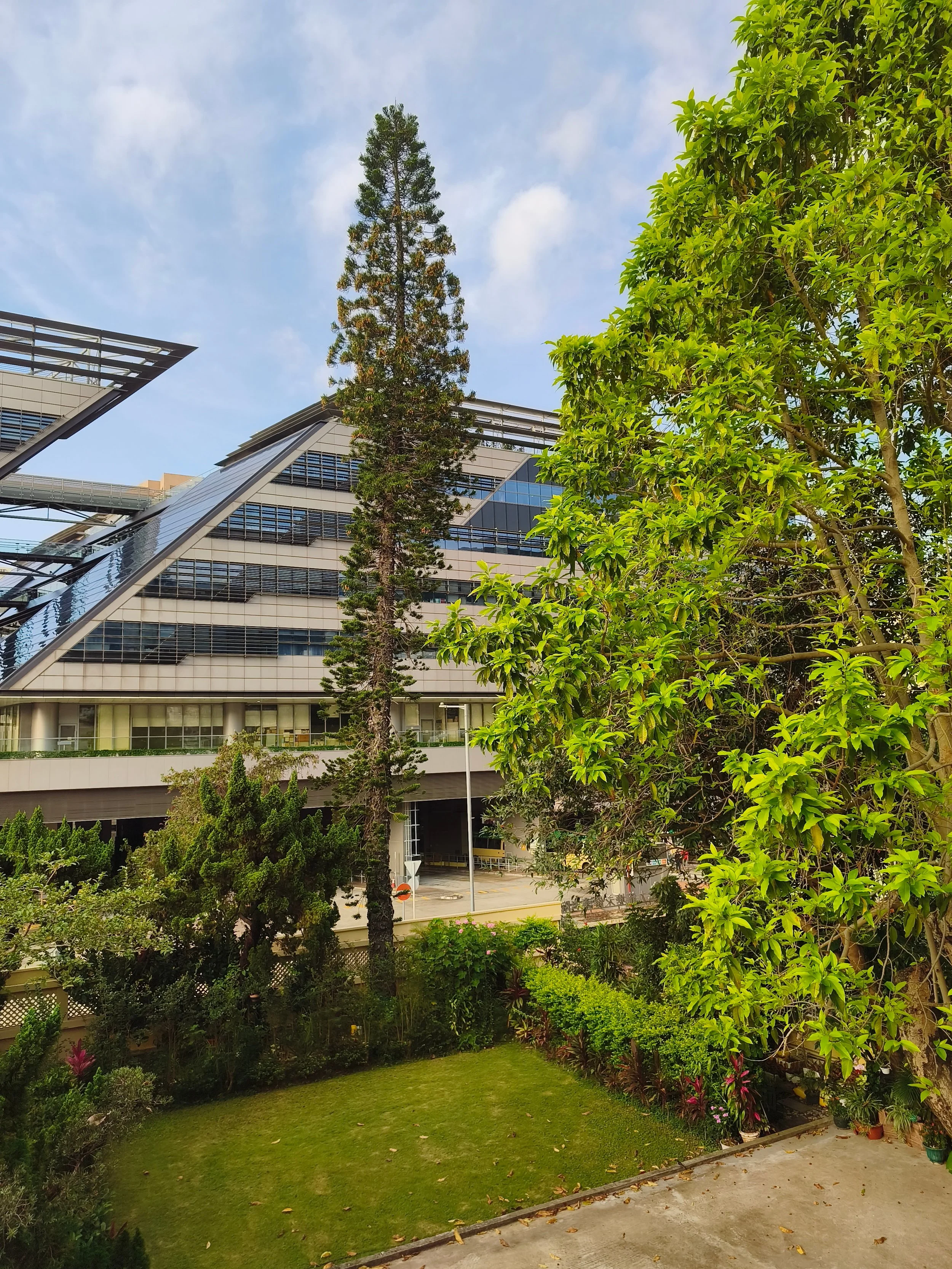
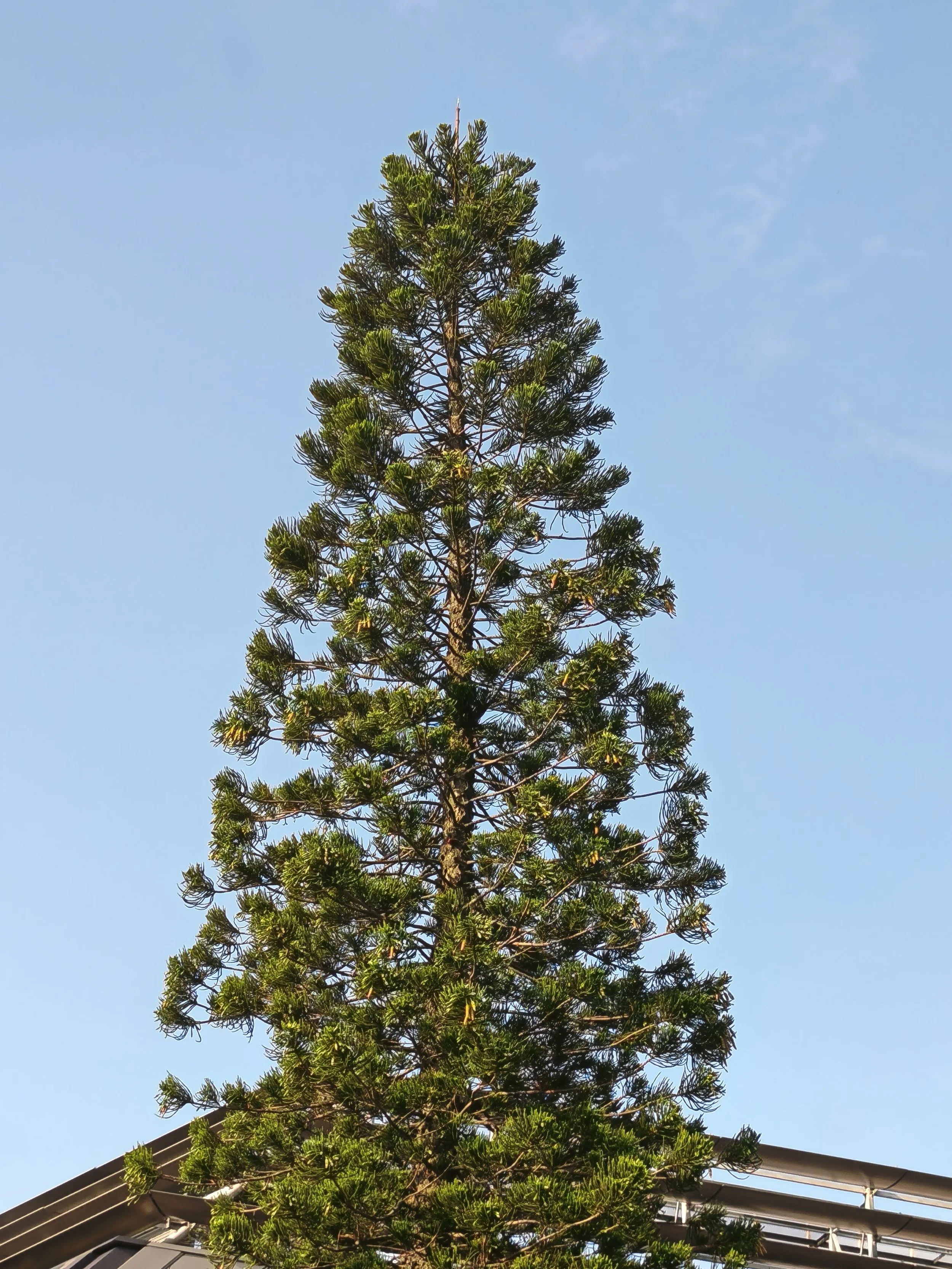
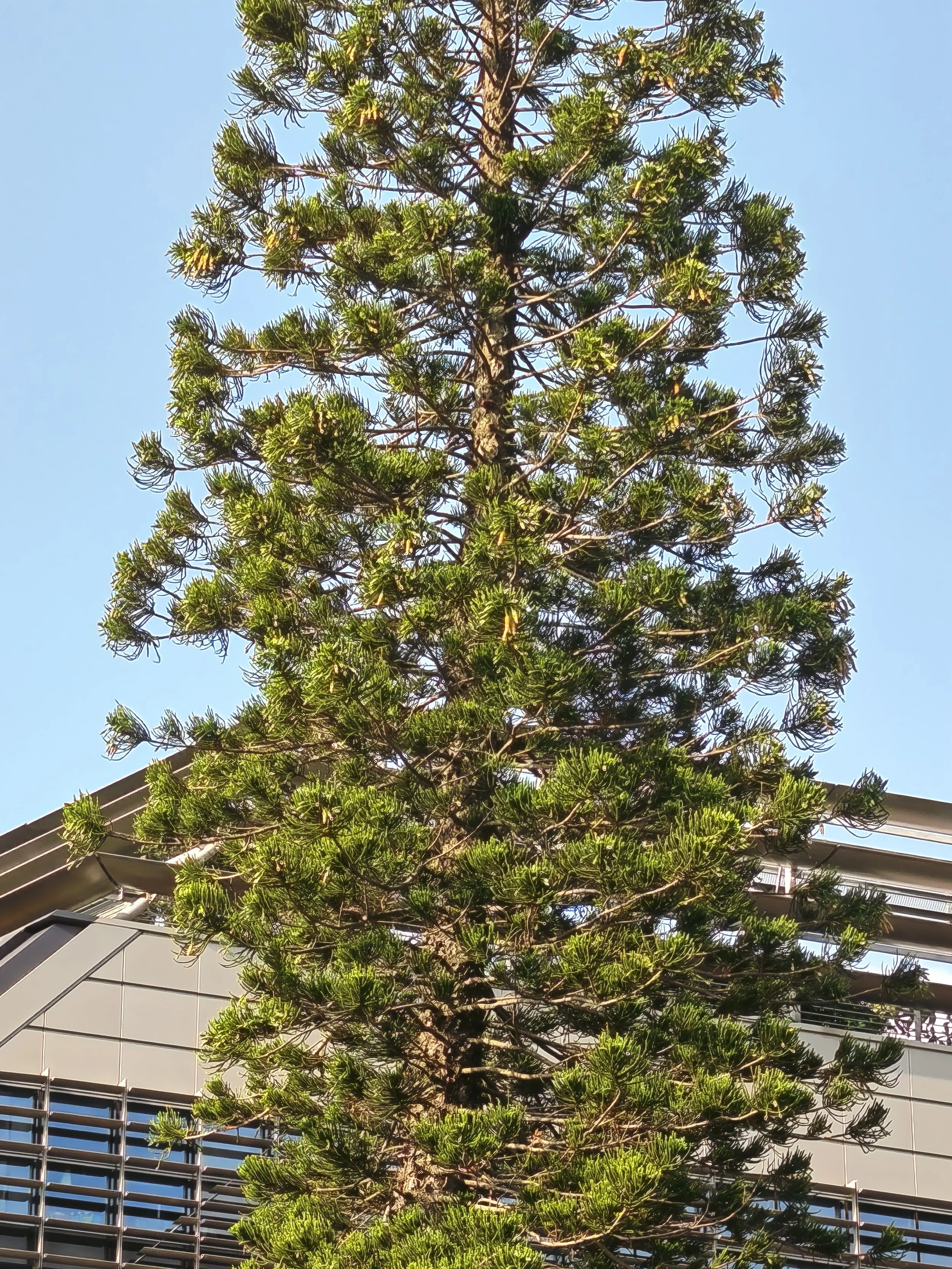
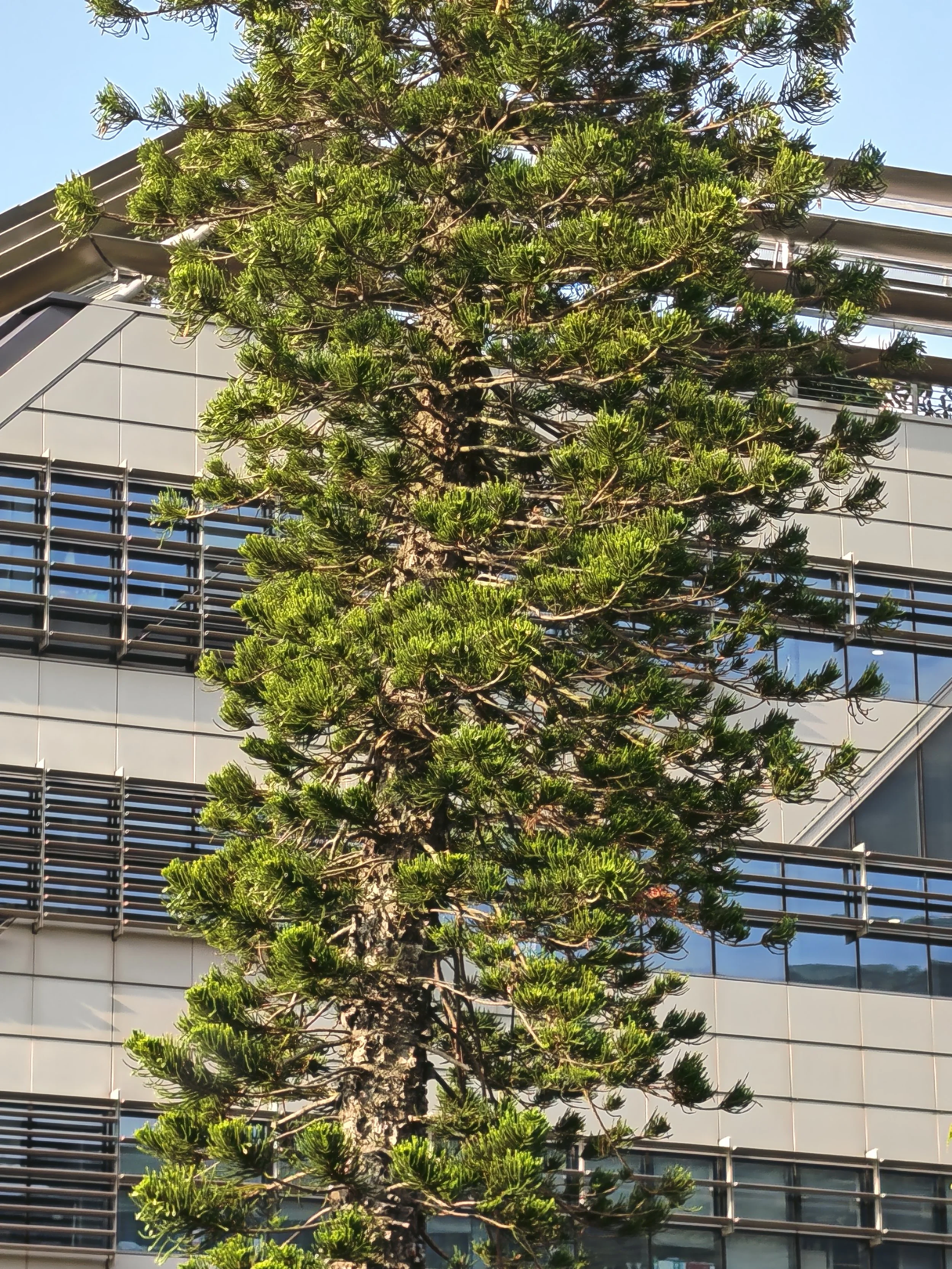
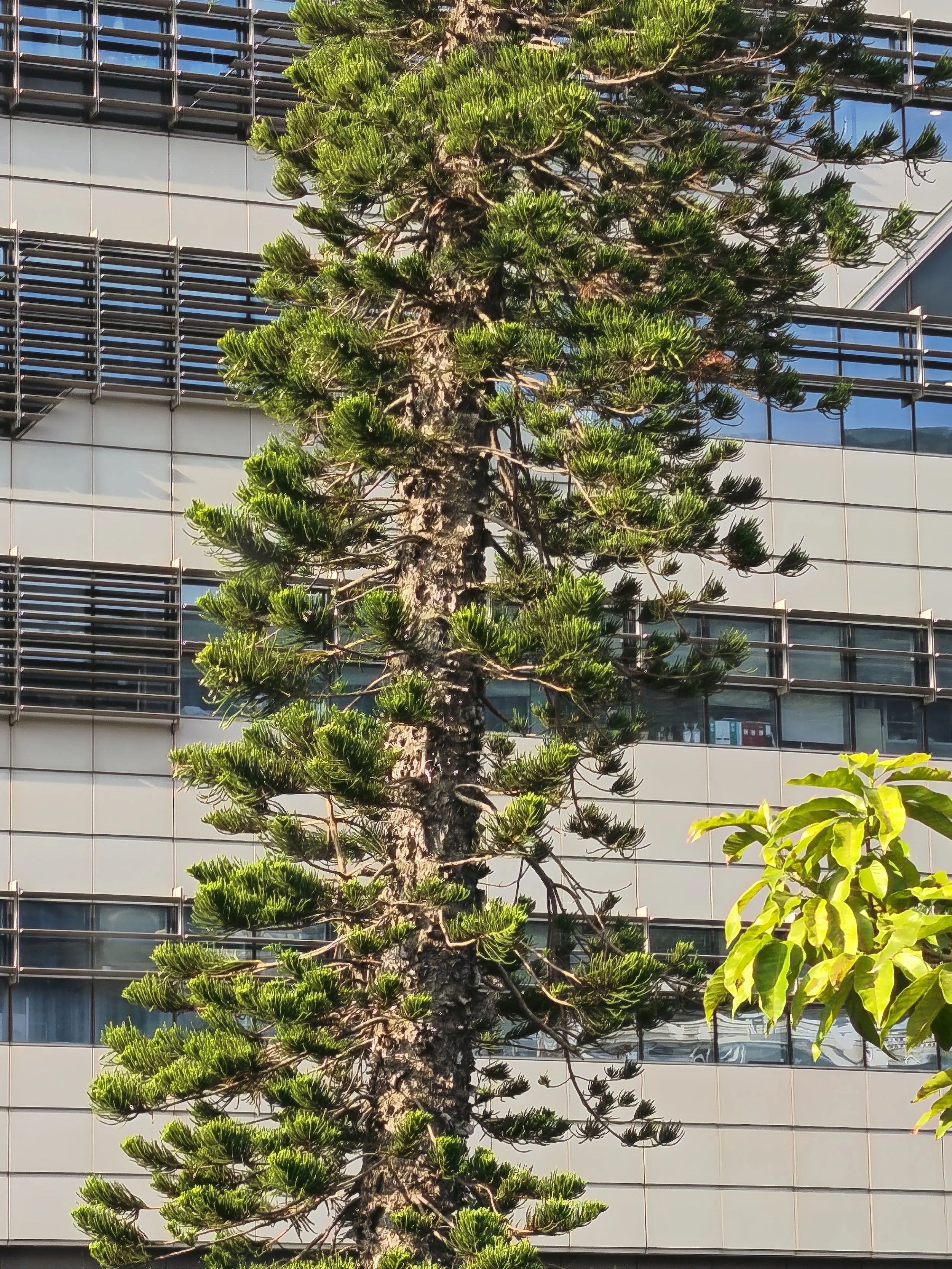
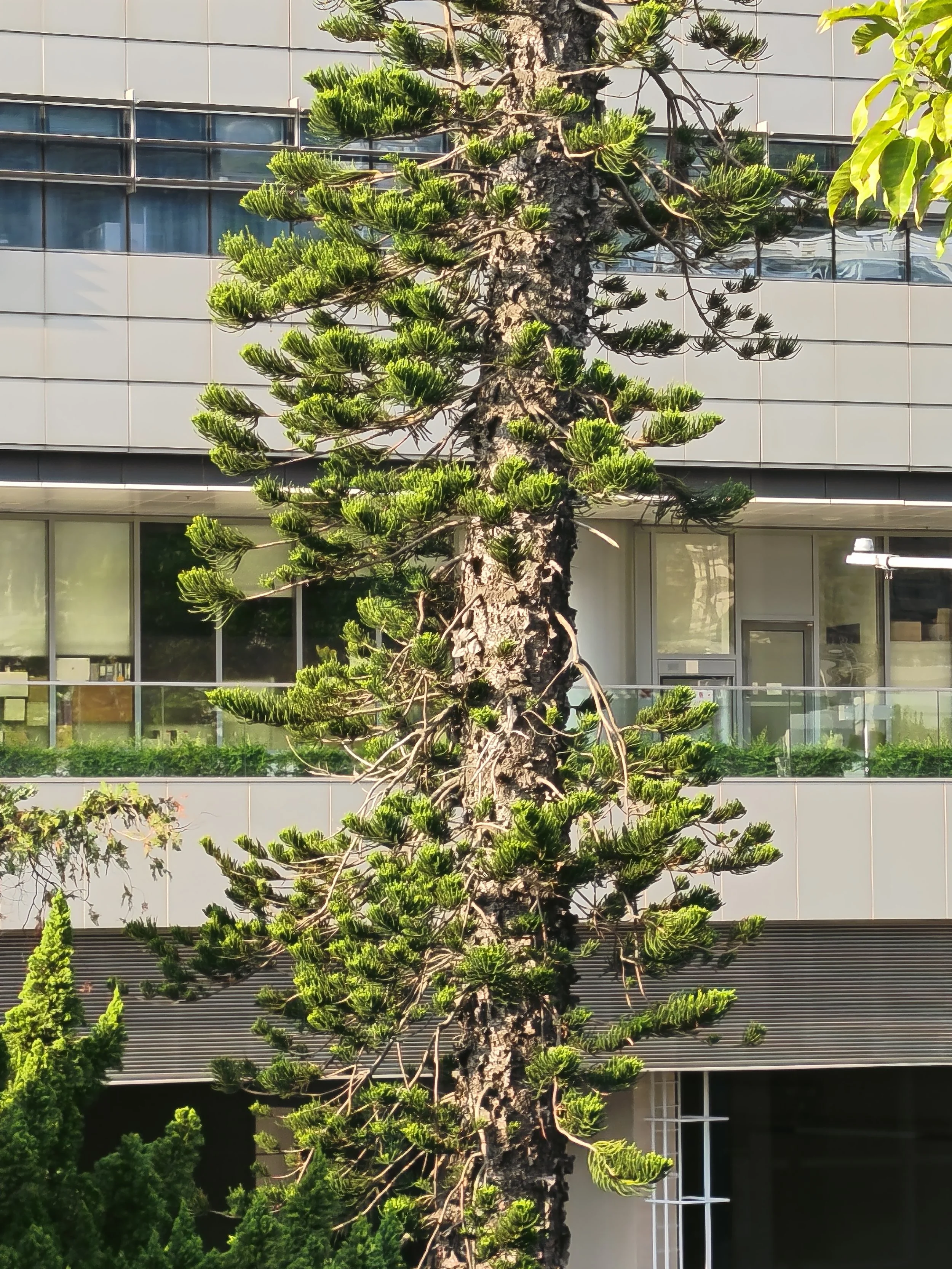
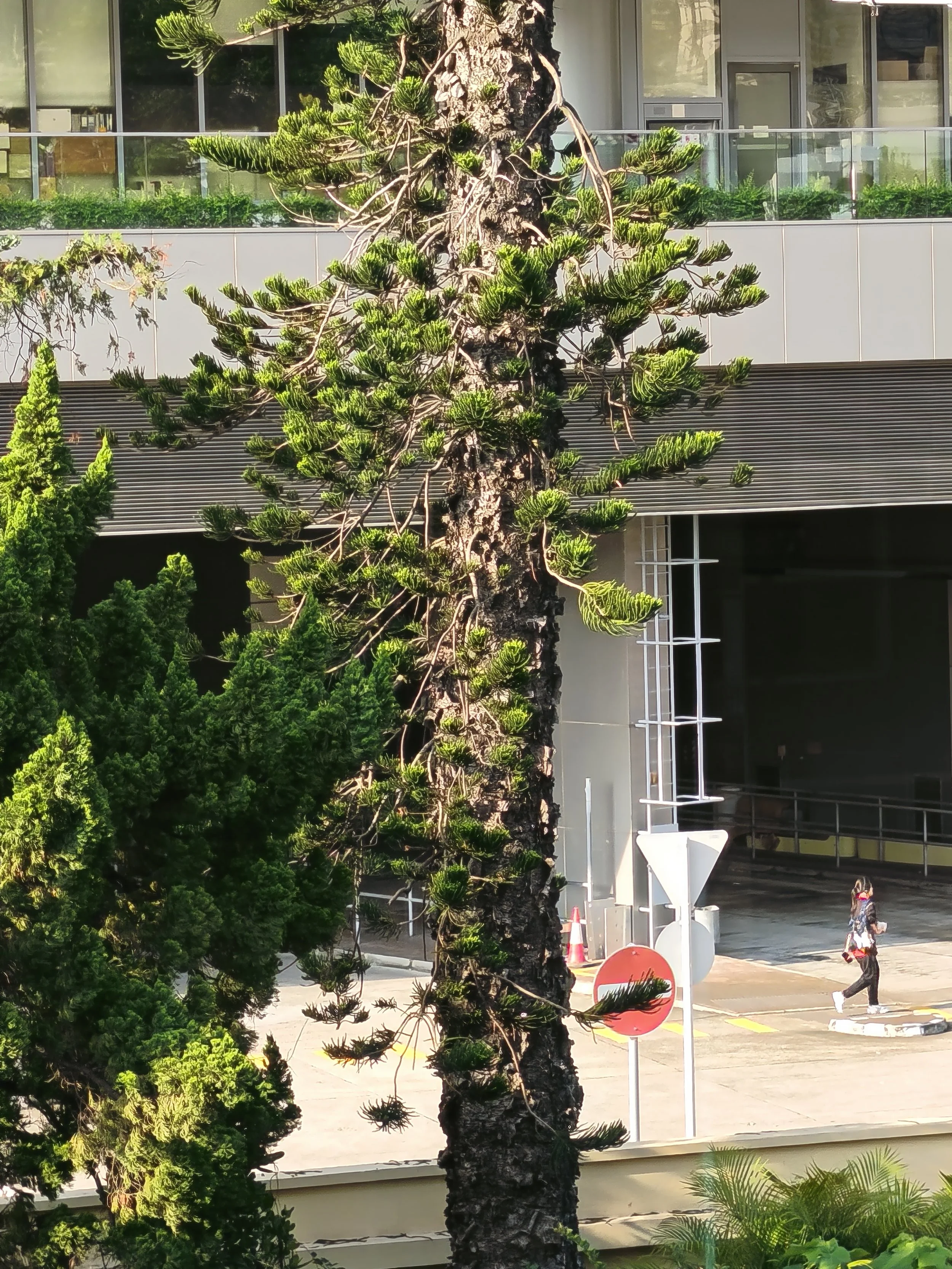
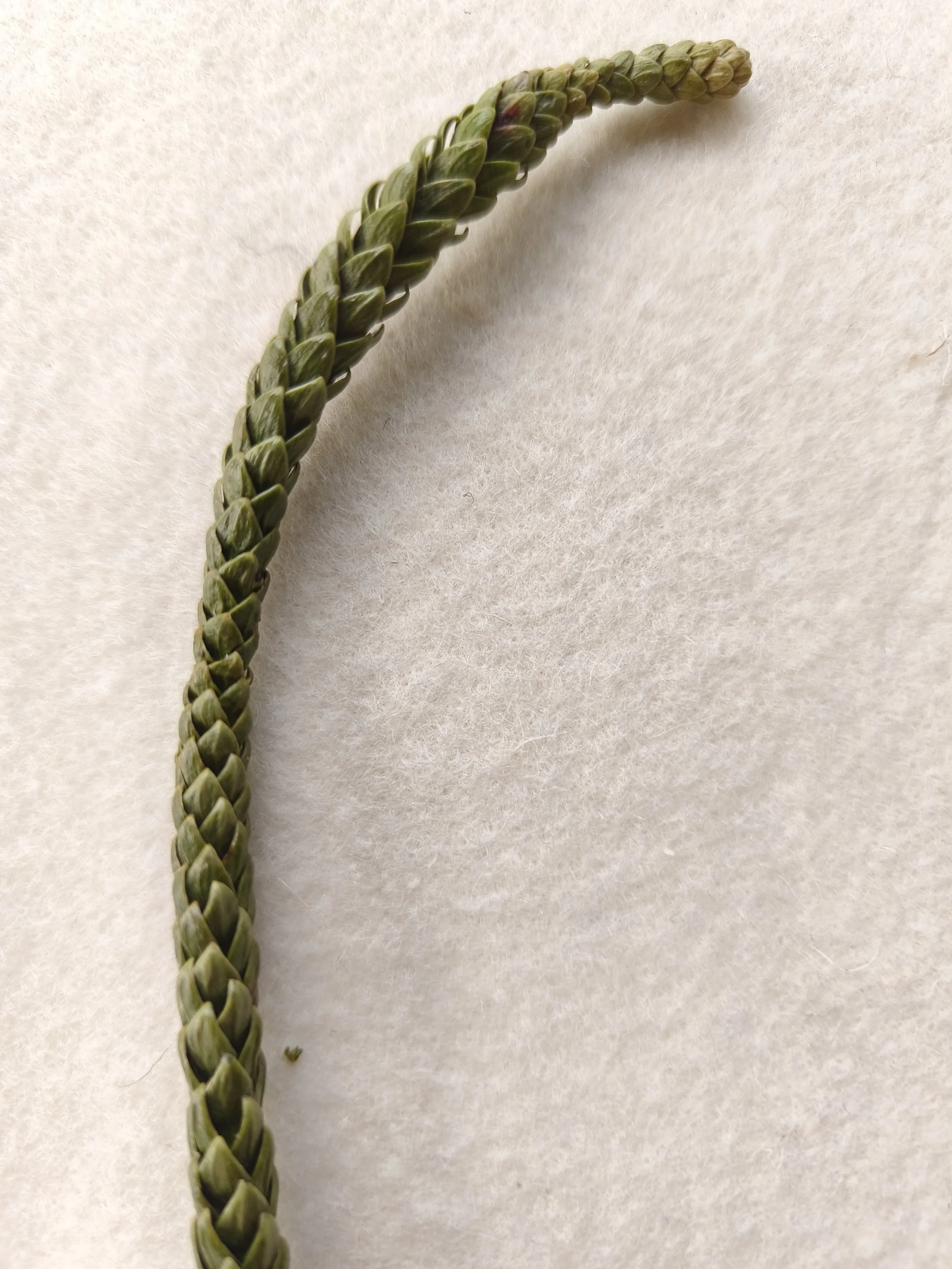
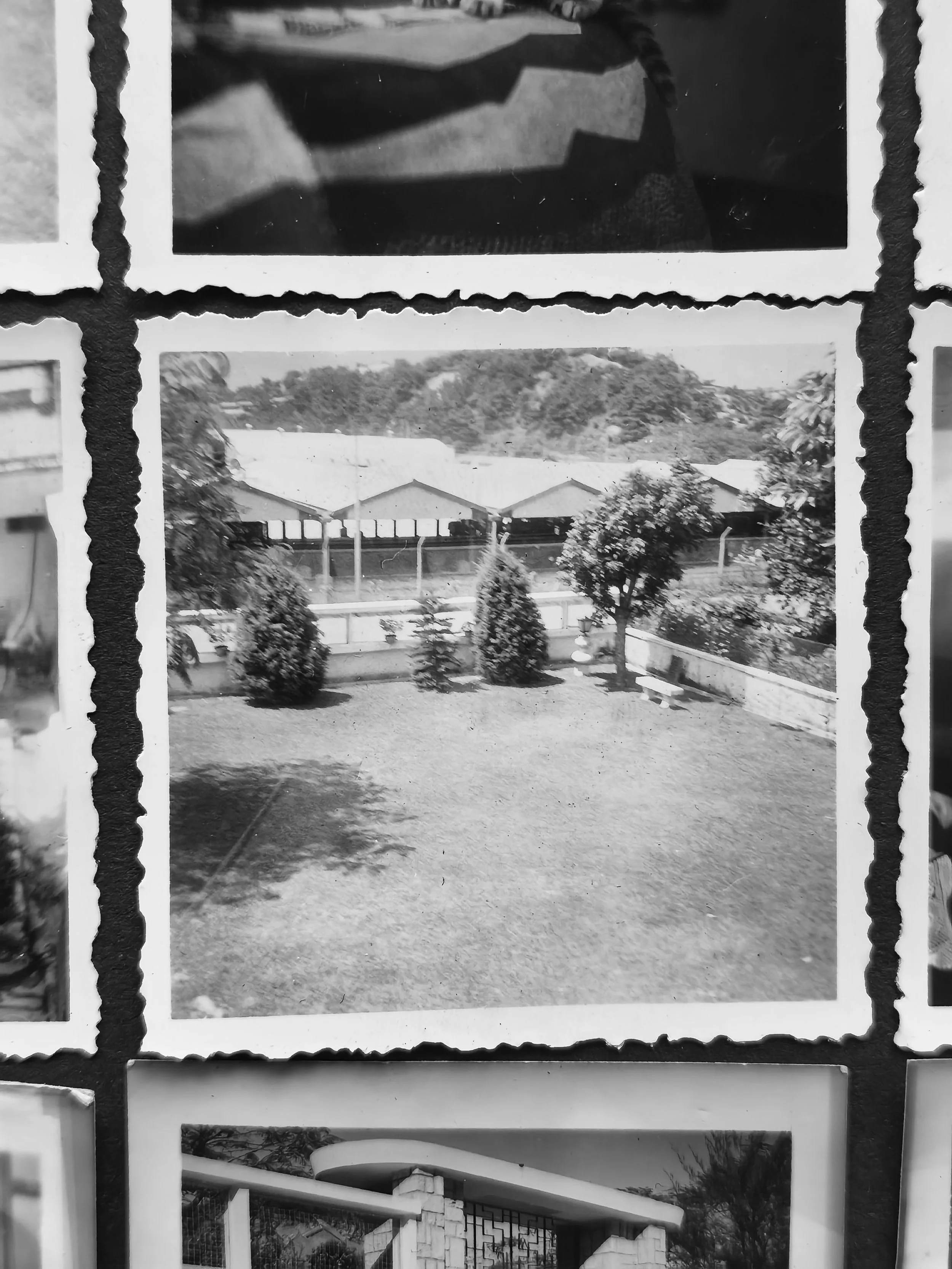
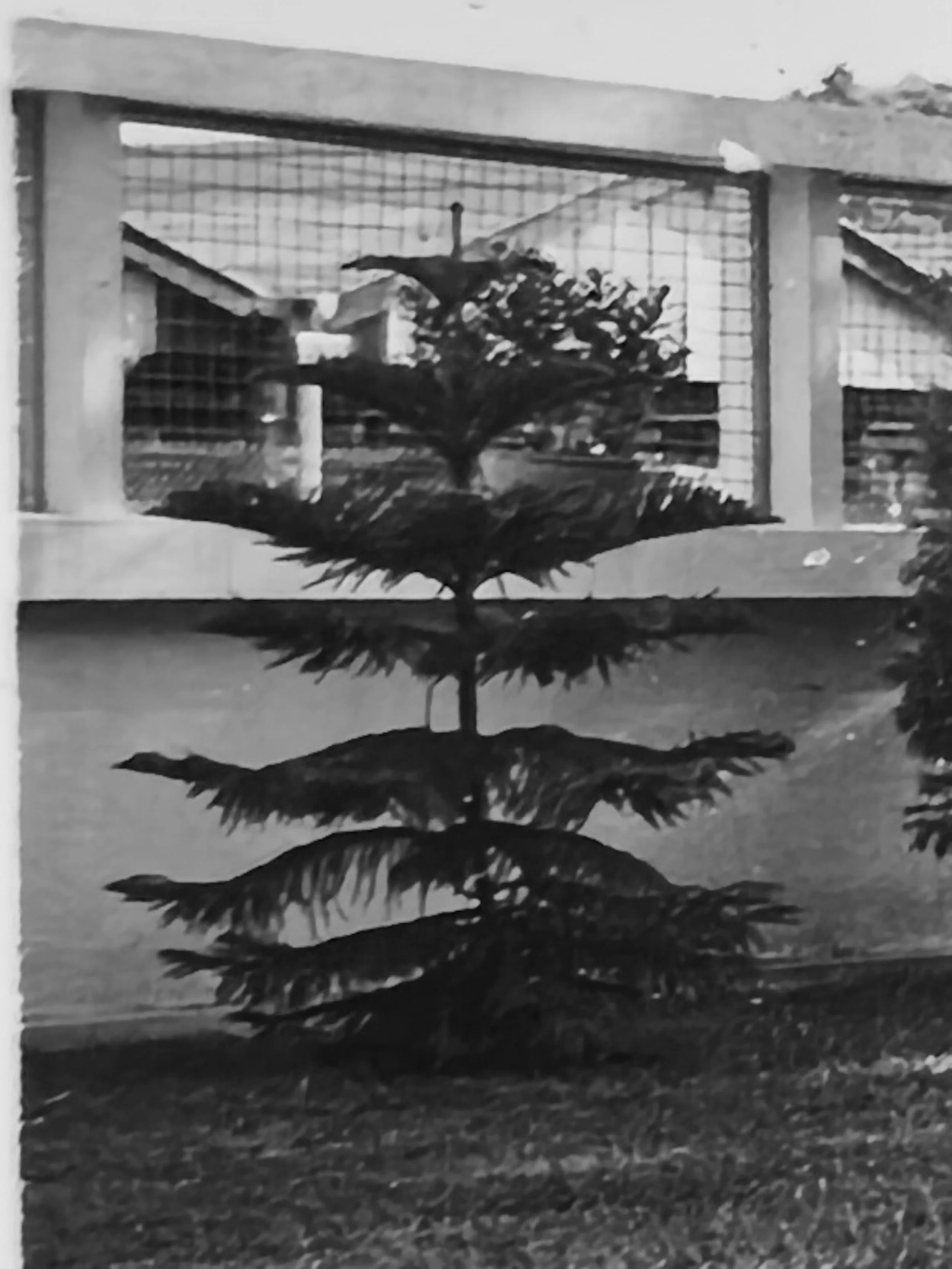
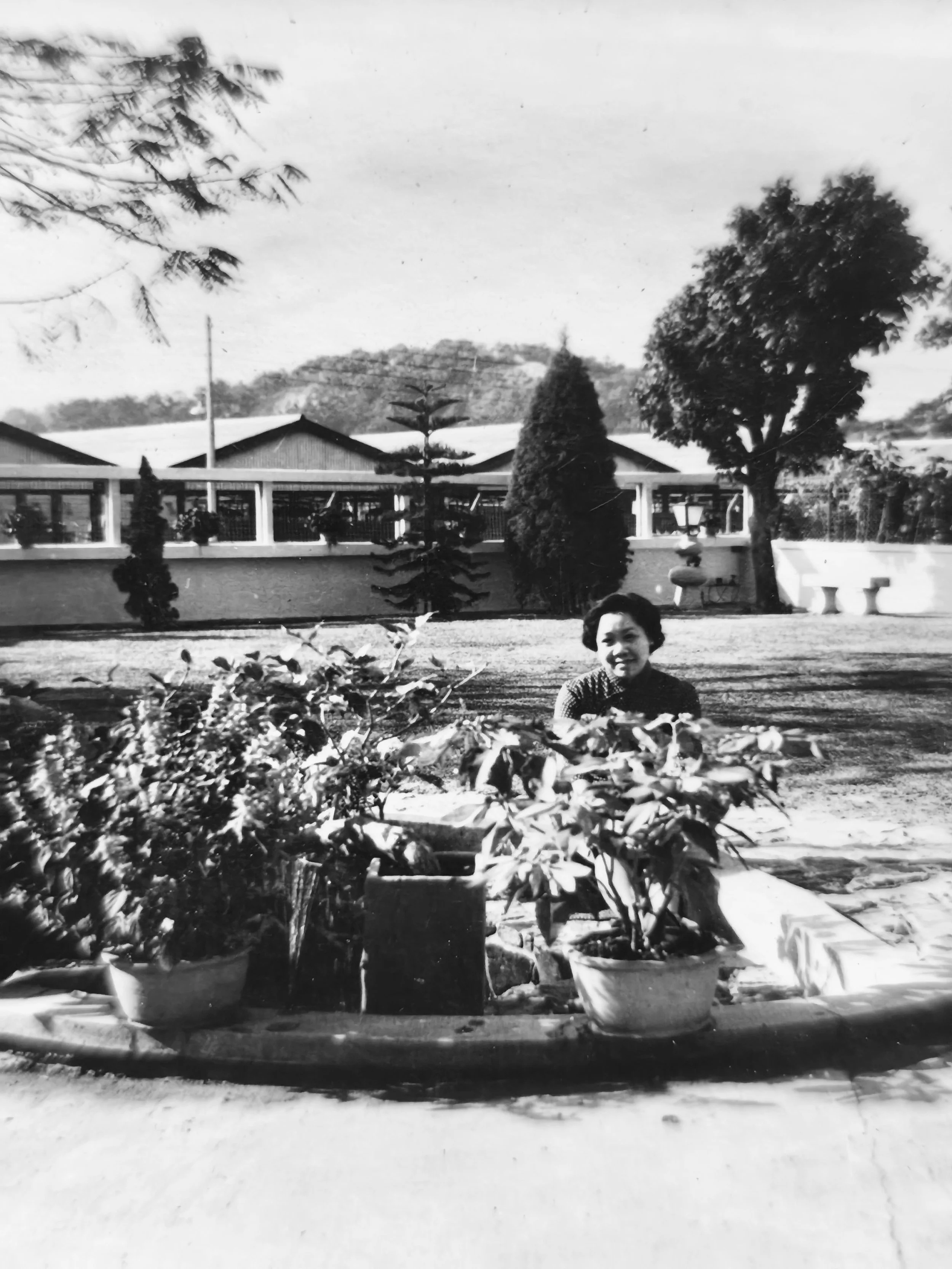
Photos of the Cook Pine arising from the garden of the Hong Kong ancestral home of Donald Lee. Black and white photos from the 1950’s. Colour pictures from 2026.
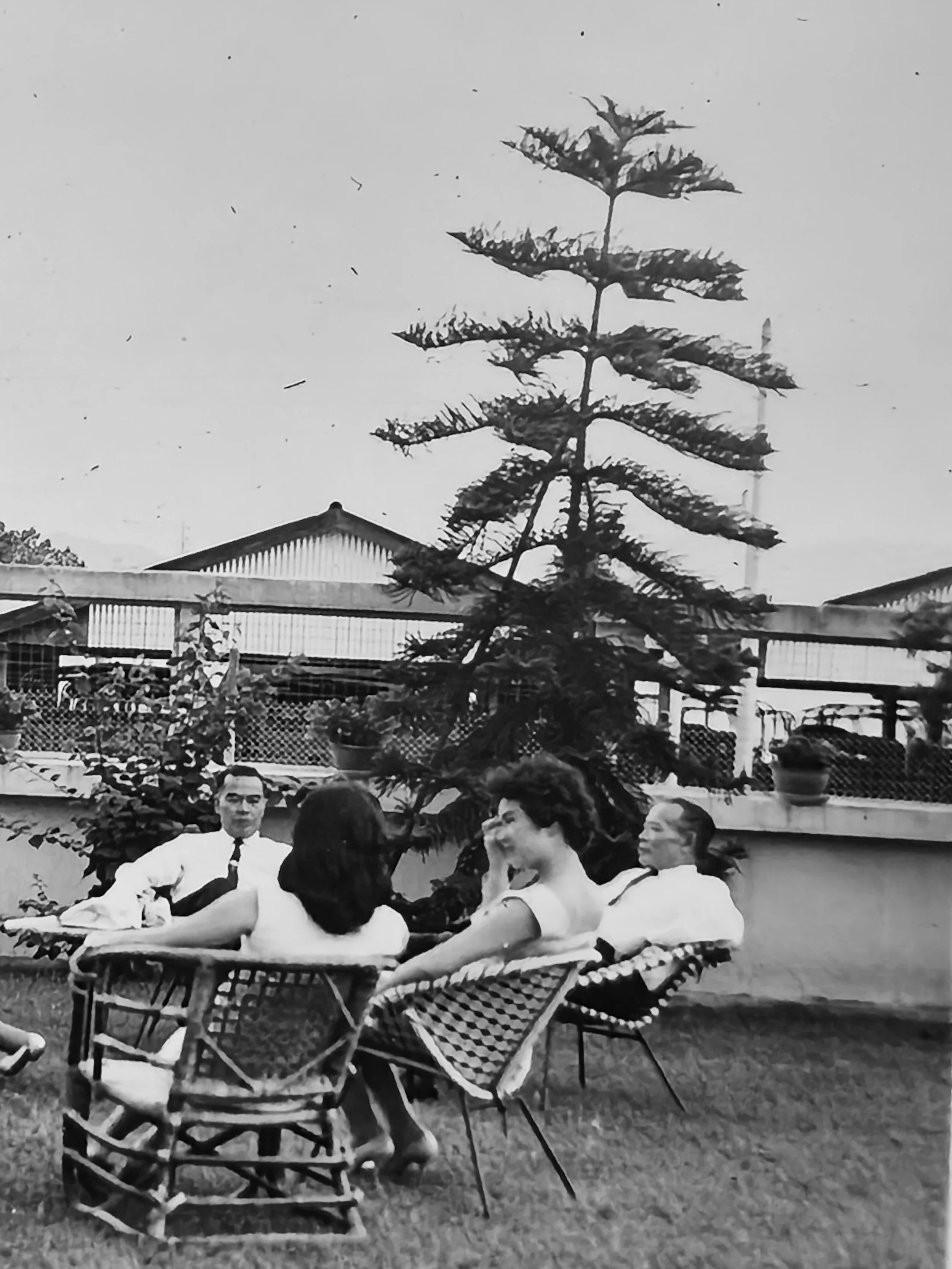
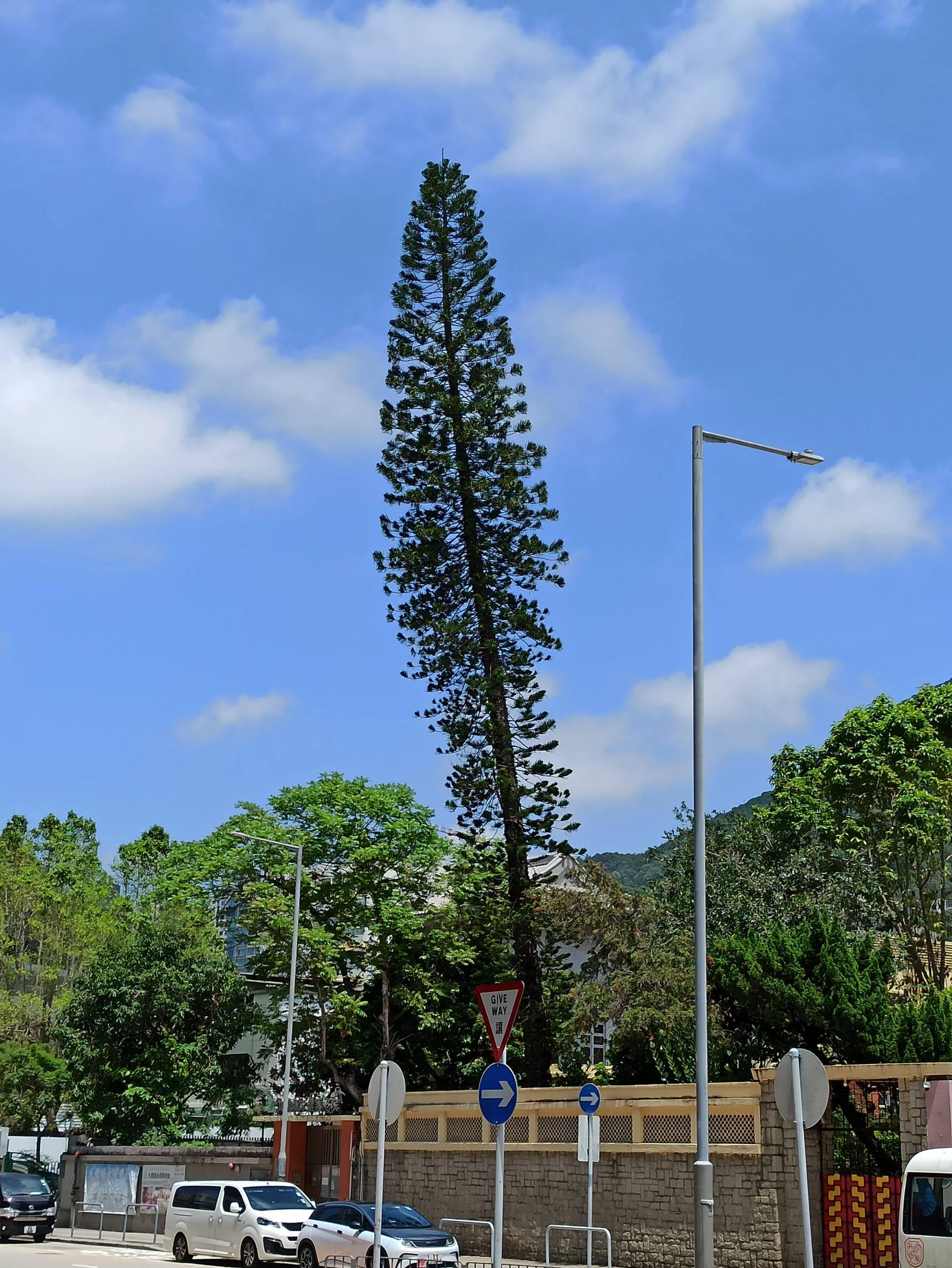
What is Cook Pine?
As a species, the Cook pine (Araucaria Columnaris) belongs to an ancient genus of conifers that is over 200 to 250 million years old, dating back to the Triassic period. Because they survived virtually unchanged while witnessing both the rise and fall of the dinosaurs, they are widely considered by botanists to be living fossils.
Cook pine was discovered by British Navy Commander James Cook in his 1774 voyage to the South Pacific where he first saw these trees on an island which he named New Caledonia. These prehistoric conifers grow up to 200 feet tall and have an incredibly narrow, pillar-like silhouette. New Caledonia acts as a prehistoric time capsule for these plants. Out of the 19 surviving Araucaria species on Earth, 13 are native strictly to New Caledonia, including the Cook pine.
Its Chinese name is 柱狀南洋杉. “柱狀” is Pillar-Shaped. “南洋” is South Pacific.
Primitive Architecture
The Cook pine is considered prehistoric because it preserves physical characteristics from the Mesozoic Era that modern flowering trees do not have. A main feature that make it a living fossil is its primitive "Scale" leaves. Instead of broad, flat leaves like an oak or soft needles like a pine, the Cook pine features tough, leathery, scale-like leaves. These small, overlapping scales form dense, rope-like spirals around the branches. This exact leaf structure is found in abundant fossil prints of trees from the Triassic and Jurassic periods. Another prehistoric feature is symmetrical branching architecture. The tree grows in a highly rigid, geometric, and mathematical pattern. Its branches emerge in distinct, horizontal tiers (whorls) from the main trunk, resembling an architectural column or a multi-tiered candelabra.
The Cook pine is the only known tree species on Earth that actively tilts toward the equator regardless of where it is planted. In the Northern Hemisphere, every Cook pine tilts directly south. In the Southern Hemisphere, every Cook pine tilts directly north. The intensity of the tilt depends entirely on latitude. The farther away a tree grows from the equator, the more severe its lean becomes. A Cook pine growing at Hong Kong's latitude (22.3° N) would have an estimated tilt angle of roughly 5 to 6 degrees south.